
What Responsible E-Waste Management Looks Like for IT Companies
What Responsible E-Waste Management Looks Like for IT Companies
 Jacob Jose
For an IT company, electronic equipment is part of everyday operations.
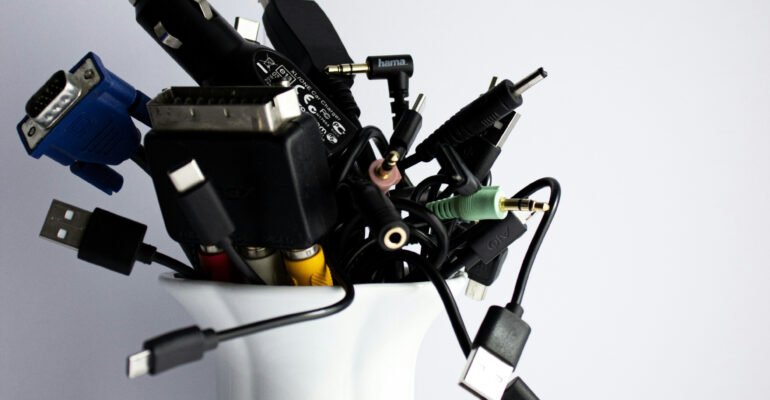
Laptops are replaced. Monitors reach the end of their useful life. Servers are upgraded. Networking equipment becomes obsolete. Batteries, printers, storage devices, cables and other electronic components gradually move out of active use.
The difficult question is what happens next.
Sending old equipment to a general scrap dealer may appear to solve the problem, but responsible e-waste management requires much more than getting unwanted devices out of the office. It involves deciding whether equipment can be reused, ensuring sensitive data is removed, choosing appropriate recycling channels and maintaining evidence of what happened to the equipment after it left the company.
For technology companies in particular, responsible disposal should be treated as part of the technology lifecycle rather than as an occasional waste-management activity.
Why E-Waste Is Becoming a Bigger Business Issue
The amount of electronic equipment used by businesses continues to grow as organizations become increasingly dependent on digital infrastructure.
The latest Global E-waste Monitor reported that the world generated 62 million tonnes of electronic waste in 2022. Only 22.3% of that amount was documented as formally collected and recycled in an environmentally sound manner. The report projects that global e-waste generation could reach 82 million tonnes by 2030 if current trends continue.
The numbers matter to IT companies because technology equipment has relatively short replacement cycles compared with many other business assets.
A laptop might be replaced because an employee needs better performance. Servers may be retired during infrastructure modernization. Networking equipment can become obsolete as organizations change their architecture. Smartphones and other devices can be replaced even when they remain technically functional.
This creates a continuous flow of electronic equipment through an organization’s technology lifecycle.
The challenge is to make sure that the final stage of that lifecycle is managed with the same level of care as procurement, deployment and maintenance.
Disposal Should Not Always Mean Recycling
The first question for an organization should not necessarily be, “How do we recycle this equipment?”
It should be, “Does this equipment actually need to be discarded?”
Some devices can be reused internally. Others may be suitable for refurbishment, resale or donation after appropriate data removal.
This matters because extending the useful life of an electronic device can delay the environmental and material impacts associated with manufacturing a replacement.
For IT departments, this can also change the way hardware lifecycle management is approached. Instead of treating equipment as an asset that moves directly from active use to disposal, organizations can consider whether it has another useful stage before it becomes waste.
A laptop that is no longer suitable for a developer may still be appropriate for another employee. A server removed from a production environment may have potential for another use, depending on its condition, security requirements and technical specifications.
Responsible e-waste management therefore begins before the recycling stage.
Data Security Comes Before Disposal
For an IT company, an old device can contain something more important than its physical materials.
It can contain data.
Hard drives, SSDs, laptops, mobile devices and servers may contain customer information, employee information, credentials, application data or other sensitive business information.
Simply deleting files does not necessarily mean that the underlying information has been securely removed.
This makes data destruction an important part of responsible hardware disposal.
Organizations need a clear approach for determining whether equipment will be reused, refurbished or recycled and what level of data sanitization is appropriate in each situation.
The process should also create evidence that the data has been handled appropriately.
This is where e-waste management becomes closely connected with IT asset management and information security. A responsible disposal program should be able to answer not only where a device went, but also what happened to the information that was stored on it before it left the organization.
What Happens to Electronics After They Are Discarded?
Electronic equipment contains a mixture of materials.
Metals, plastics, glass and other components can potentially be recovered and used again. At the same time, certain electronic products can contain substances that require careful handling.
The ITU reports that the 62 million tonnes of e-waste generated globally in 2022 contained an estimated 31 million tonnes of metals, highlighting the material value embedded in discarded electronics.
This is one reason responsible recycling is fundamentally different from simply throwing electronic equipment away.
Proper recycling allows valuable materials to be recovered through controlled processes. Poorly managed disposal can instead result in valuable materials being lost while creating environmental and health risks.
The goal should therefore be to keep electronic equipment within appropriate reuse, refurbishment and recycling channels for as long as possible.
Responsible E-Waste Management in India
For companies operating in India, e-waste management is also connected to a formal regulatory framework.
The E-Waste (Management) Rules, 2022 are currently the principal rules governing e-waste management in India, and they came into effect on 1 April 2023. The Central Pollution Control Board explains that the framework includes Extended Producer Responsibility and requires covered producers to meet recycling obligations through registered recyclers.
For an IT company, this does not simply mean knowing that e-waste regulations exist.
It means understanding how its own equipment disposal activities fit into the relevant responsibilities and ensuring that disposal partners and processes are appropriate for the equipment being handled.
The exact regulatory obligations can vary depending on the organization’s role in the electronics ecosystem, so companies should rely on current guidance from the relevant authorities rather than treating every business as having identical obligations.
The CPCB’s e-waste resources provide the appropriate starting point for organizations operating in India.
Choosing the Right Recycling Partner
One of the most important decisions an IT company makes is who receives its obsolete equipment.
The cheapest disposal option is not necessarily the most responsible one.
A recycling partner should be able to demonstrate that electronic equipment is handled through appropriate channels and that the organization can obtain documentation for the material it hands over.
This becomes particularly important when equipment contains sensitive data or when the company needs evidence of its environmental practices for customers, investors, auditors or internal reporting.
The relationship should therefore be treated more like a technology supply-chain relationship than a simple waste pickup.
Companies can also evaluate whether their recycling partners have appropriate registrations, facilities, documentation and downstream controls for the materials they handle.
For organizations looking to build broader environmental and responsible-business supplier networks, a structured directory of impact-focused companies can also provide a starting point for identifying organizations operating across different sustainability-related categories.
Tracking What Happens to Old Equipment
A responsible e-waste program should be traceable.
An organization should ideally know what equipment has reached the end of its useful life, whether it was reused, refurbished or recycled, who received it and what documentation was generated.
This does not necessarily require an elaborate technology platform.
An effective asset register combined with clear disposal records can already provide significant visibility.
The important change is moving away from the idea that responsibility ends when equipment leaves the office.
The final destination matters.
If a company reports that it recycled hundreds of laptops, for example, it should be able to demonstrate where those laptops went and what evidence supports the claim.
This becomes particularly valuable when sustainability information is increasingly being incorporated into procurement processes, customer questionnaires and corporate reporting.
E-Waste and the Broader Carbon Picture
The environmental impact of electronic equipment does not begin when a device becomes waste.
Manufacturing, transportation, electricity consumption, maintenance and eventual disposal all contribute to the broader environmental footprint of technology.
Extending the useful life of equipment can therefore have implications beyond waste reduction because it can delay the need to manufacture replacement equipment.
At the disposal stage, responsible recycling can also help recover materials that might otherwise need to be extracted as new raw materials.
For companies developing broader environmental measurement practices, it is useful to understand how different environmental activities connect with carbon accounting and market mechanisms. The growing discussion around India’s carbon credit trading framework is one example of how environmental performance is increasingly being connected with formal measurement and market structures.
That does not mean that recycling a laptop automatically creates a carbon credit.
The point is that responsible technology management increasingly sits within a wider ecosystem of environmental data, resource efficiency and corporate accountability.
Moving From Disposal to Circular Technology Management
A more mature approach to e-waste treats electronic equipment as a resource rather than simply as waste.
The objective is to keep products, components and materials useful for as long as reasonably possible.
That can mean extending device lifetimes, repairing equipment, refurbishing hardware, redeploying assets internally and recovering materials through responsible recycling when equipment genuinely reaches the end of its useful life.
This is closely connected to the idea of a circular economy.
The ITU notes that electronic products contain significant quantities of valuable materials and that improving collection and recycling can help recover those resources rather than allowing them to be lost.
For technology companies, this perspective can change procurement decisions as well.
Instead of asking only how much a device costs to purchase, organizations can consider how long it is expected to remain useful, whether it can be repaired or upgraded, how easily it can be redeployed and what happens when it eventually reaches the end of its life.
Designing an E-Waste Program That Actually Works
A responsible e-waste program does not need to become a complicated corporate initiative.
The foundation is a clear connection between IT asset management, information security, procurement and waste management.
When equipment is retired, the organization should know why it is being retired, whether it can be reused, how its data will be handled and which approved channel will manage it if it becomes waste.
That creates a much stronger system than simply arranging periodic collections of unwanted electronics.
Over time, the organization can also use its asset data to understand replacement patterns.
If large numbers of devices are being discarded after relatively short periods, there may be opportunities to improve procurement specifications, maintenance, repair or deployment practices.
E-waste management can therefore provide useful information about how efficiently an organization manages its technology assets.
The Role of IT Teams
E-waste is often treated as a facilities or administration responsibility.
IT teams, however, are usually closest to the equipment lifecycle.
They understand which devices are reaching the end of their useful life, which systems contain sensitive information and which equipment may still have technical value.
This makes collaboration between IT, procurement, security, facilities and sustainability teams important.
The strongest programs do not treat disposal as a final administrative step.
They build responsible end-of-life management into the technology lifecycle from the beginning.
What Responsible Disposal Actually Looks Like
Responsible e-waste management is ultimately about what happens after technology stops being useful to the organization.
A laptop should not simply disappear into a scrap channel. A server should not leave the data center without consideration of the information stored on it. A batch of obsolete devices should not be considered responsibly managed simply because someone collected it.
Responsible disposal means knowing what the equipment is, determining whether it still has useful life, protecting the data it contains, selecting appropriate downstream partners and maintaining evidence of its final treatment.
For IT companies, that approach turns e-waste from an afterthought into a managed part of the technology lifecycle.
As organizations continue to purchase more technology and replace equipment more frequently, that distinction will become increasingly important.
The future of responsible technology management is not simply about buying better devices.
It is also about knowing what happens to them when they are no longer needed.